
Education · 7 min read
What Is Botox? A Complete Guide for Hobart Patients
Learn what Botox is, how it works, what it's used for and what to expect before treatment. An evidence-based guide for people considering Botox in Hobart.
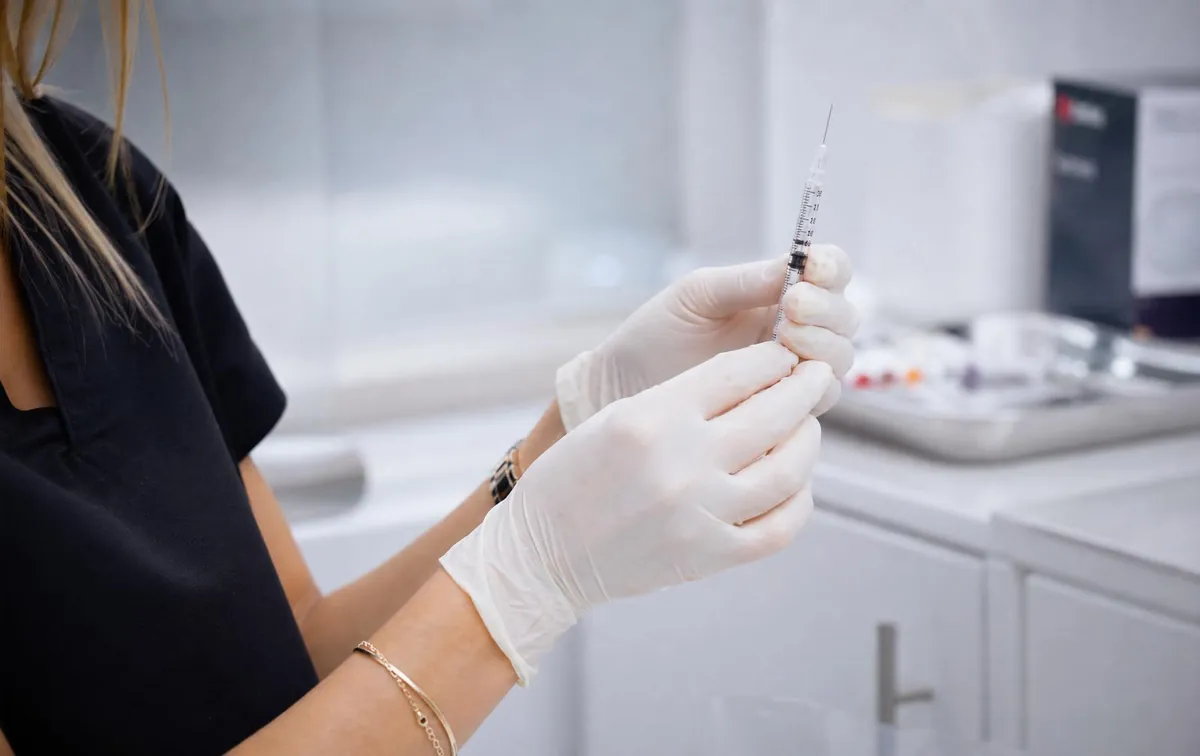
Botox is one of the most well-known cosmetic treatments in the world, but it's also a prescription medicine that's been used for decades to treat a variety of medical conditions.
If you're researching Botox in Hobart, you may have questions about how it works, what it's made from and whether it's safe. This guide explains the facts in plain English, helping you understand the treatment before speaking with a qualified healthcare professional.
What is Botox?
Botox is the brand name for a prescription medicine made from botulinum toxin type A.
It works by temporarily relaxing specific muscles. When injected into carefully selected areas, Botox blocks the nerve signals that tell those muscles to contract. As the muscle relaxes, wrinkles soften and excessive muscle activity is reduced.
Although many people associate Botox with cosmetic treatments, it's also widely used in medicine to help manage conditions such as chronic migraines, excessive sweating and muscle spasms.
The effects are temporary, with muscle movement gradually returning over time.
What is Botox made from?
Botox originates from the bacterium Clostridium botulinum, but the final medicine is a purified pharmaceutical product rather than the naturally occurring toxin.
During manufacturing, the active ingredient is purified and standardised to ensure every treatment contains a precise dose. The amount used in cosmetic and medical treatments is extremely small and designed to temporarily affect only the targeted muscles.
This controlled approach is very different from naturally occurring botulism, despite sharing the same biological origin.
How does Botox work?
Every time you smile, frown or raise your eyebrows, your nerves send chemical messages to your muscles telling them to contract.
Botox temporarily blocks the release of one of these chemical messengers, called acetylcholine. Without this signal, the muscle relaxes instead of contracting as strongly. This reduces the appearance of expression lines and can also help calm overactive muscles involved in certain medical conditions.
The effect isn't permanent. Over time, the nerve endings regenerate and muscle movement gradually returns.
What is Botox used for?
Botox has both cosmetic and medical uses.
Cosmetic uses commonly include reducing the appearance of forehead lines, frown lines, crow's feet, bunny lines, chin dimpling and neck bands, as well as lip flip procedures and jawline slimming using the masseter muscles. The goal is usually to soften facial movement while maintaining natural expression.
Medical uses may include helping to manage chronic migraines, excessive sweating (hyperhidrosis), muscle spasms, cervical dystonia, eyelid twitching (blepharospasm), overactive bladder and certain jaw muscle conditions.
Researchers continue to study new therapeutic uses for botulinum toxin, making it one of the most extensively researched biological medicines available.
Is Botox safe?
Botox has been used in clinical practice for more than three decades and is supported by extensive scientific research.
Like any prescription medicine, it carries potential risks and side effects, but serious complications are uncommon when treatment is performed by appropriately trained healthcare professionals.
Most side effects are mild and temporary, and can include redness, swelling, bruising, tenderness and mild headache. Less common complications, such as temporary eyelid drooping or uneven muscle movement, generally improve as the effects of Botox gradually wear off.
Your healthcare professional should discuss the potential benefits, risks and whether treatment is suitable for your individual circumstances before proceeding.
How long does Botox last?
For cosmetic treatments, Botox typically lasts around three to four months, although results vary from person to person.
Several factors can influence how long the effects last, including the treatment area, muscle strength, individual metabolism, the amount of product used and previous treatment history.
As the nerve endings recover, muscle movement slowly returns and repeat treatments may be required if you wish to maintain your results.
Will Botox make me look frozen?
Not necessarily. The idea that Botox always creates a “frozen” appearance is largely based on outdated treatment approaches or overly aggressive dosing.
Modern treatments are generally designed to soften facial movement rather than eliminate it completely. Natural-looking results depend on factors such as your facial anatomy, treatment goals and the experience of the healthcare professional performing the procedure.
Considering Botox in Hobart?
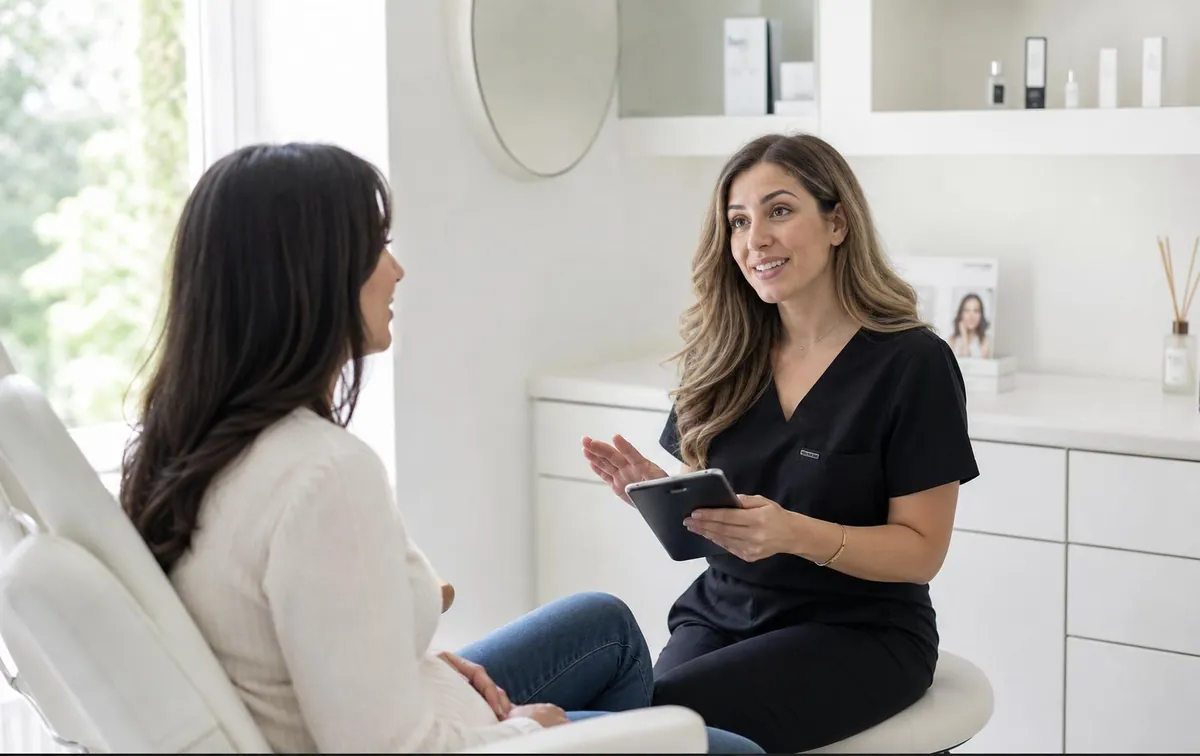
If you're thinking about Botox in Hobart, the first step is booking a consultation with a qualified healthcare professional.
During your consultation, they can assess your concerns and treatment goals, review your medical history, explain whether Botox is suitable for you, discuss the expected benefits, limitations and potential risks, and develop a personalised treatment plan based on your individual needs.
Every person is different, so treatment recommendations should always be based on an individual assessment rather than general advice online.

Key takeaways
Botox is a purified prescription medicine made from botulinum toxin type A that temporarily relaxes muscles by reducing communication between nerves and muscles.
While it's widely recognised for reducing facial wrinkles, Botox is also used to treat a range of medical conditions, including chronic migraines, excessive sweating and muscle disorders.
Decades of clinical research support its safety and effectiveness when used appropriately by qualified healthcare professionals. If you're considering Botox in Hobart, a consultation is the best way to determine whether treatment is right for your individual circumstances.
For more educational guides on cosmetic injectables, explore Botox in Hobart.